
Renascimento da fotografia analógica: 12 razões pelas quais ela está ressurgindo com força em 2025
Curioso sobre o retorno da fotografia analógica? Perguntas frequentes respondidas.
A fotografia analógica ainda é relevante em 2025? Sim! Ela está em plena expansão, com novos filmes, câmeras e uma comunidade global apaixonada.
Ainda são produzidos filmes de formato grande, como 35mm, 120, ou mesmo filmes de formato grande ? Com certeza — Kodak, Ilford e outros formatos estão sendo lançados regularmente.
Será isso apenas uma tendência passageira como a Lomography? Não, é um movimento sustentado, apoiado pelo aumento das vendas e câmeras remanufaturadas.
A Instax conta como fotografia analógica? Não exatamente — ela é instantânea, enquanto o filme fotográfico tradicional envolve um processo de revelação manual.
Onde posso comprar câmeras de filme confiáveis? Verifique vendedores confiáveis no eBay ou Etsy para modelos revisados ou explore novos como a Pentax 17.
É iniciante no mundo do cinema? Confira nosso guia para iniciantes: Como começar na fotografia analógica .
A fotografia analógica não está apenas sobrevivendo — está voltando com força total. Câmeras vintage, como a AE-1 ou a F3, estão alcançando preços superiores aos de algumas câmeras DSLR profissionais, com o eBay registrando aumentos anuais de 25 a 50% nos preços de modelos cobiçados. Os entusiastas estão viciados, e os profissionais estão incorporando o filme em ofertas premium para casamentos e eventos, proporcionando resultados atemporais que os clientes adoram.
Alguns chamam isso de nostalgia, como os discos de vinil, que venderam mais que CDs em 2022. Mas os números não mentem: o ressurgimento do filme é real. As vendas de filmes em 2024 aumentaram 20%, e os fabricantes estão investindo pesado. A empresa reviveu o Ektachrome em 2017 e expandiu o Gold 200 para o formato 400D. A empresa lançou o 400D em 2022, seguido pelo 100/400 da 100D no formato 400D. A ORWO Wolfen lançou os filmes coloridos NC500 e NC400, e a Photo apresentou o Phoenix 200 em 2023, atualizando para a Versão II em julho de 2025 com base no feedback dos fotógrafos. Novas câmeras, como a M6 relançada pela ORWO (somente o corpo por US$ 5.900) e o lançamento da ORWO 17 em 2024, demonstram a confiança da indústria.
Na internet, o movimento prospera: o subreddit r/analog do Reddit conta com 1,5 milhão de membros, e canais do YouTube como o Negative Feedback (com mais de 500 mil inscritos) alimentam o entusiasmo com tutoriais. Isso não é uma moda passageira — é um renascimento global com potencial para se consolidar.
O que é fotografia analógica?
A fotografia analógica utiliza câmeras com filme sensível à luz (formato médio ou grande formato 4x5). O filme é exposto à luz e, em seguida, revelado quimicamente para criar negativos ou slides, que podem ser impressos em um laboratório fotográfico ou digitalizados. Ao contrário das pré-visualizações instantâneas do digital, o filme exige paciência e habilidade. Formatos instantâneos como o Instax diferem devido à sua natureza de autodesenvolvimento — aqui, nos concentraremos no processo clássico com filme.
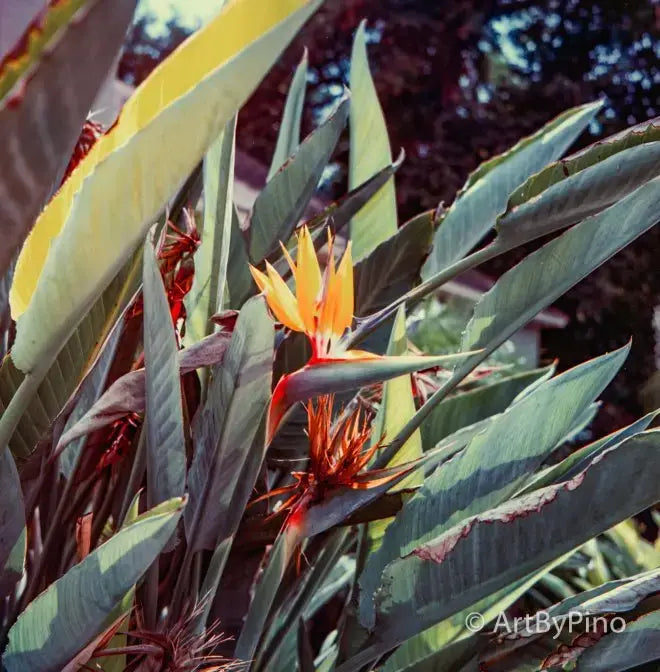
EXEMPLOS DE FOTOGRAFIA ANALÓGICA
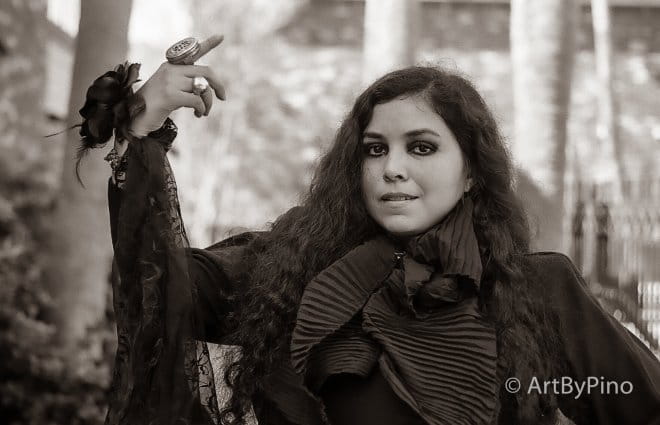
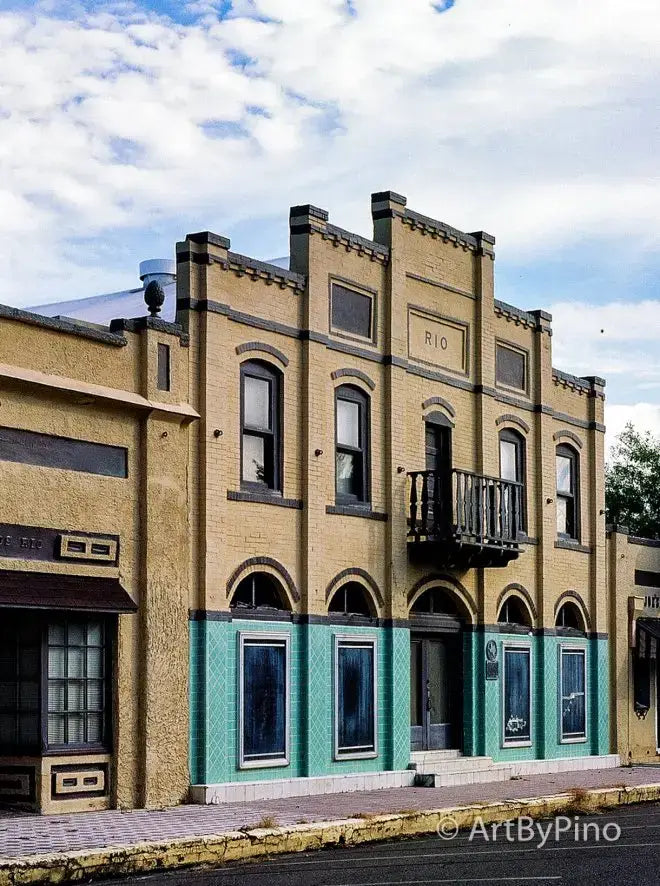
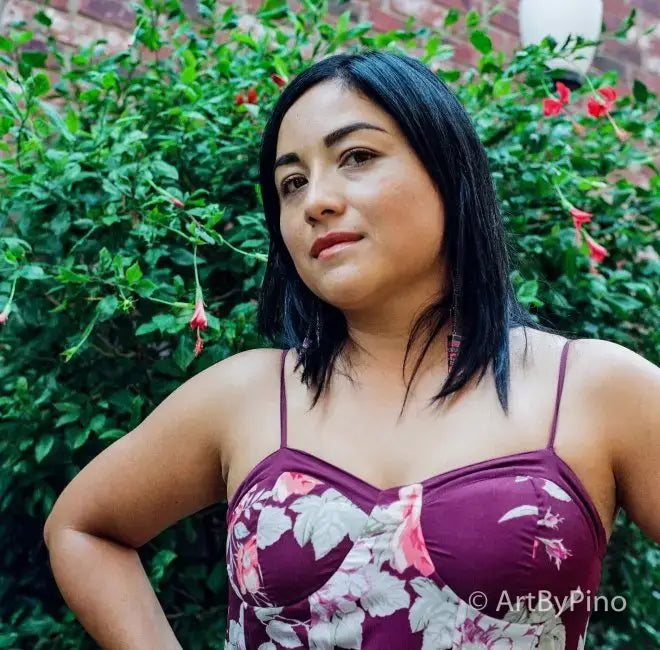
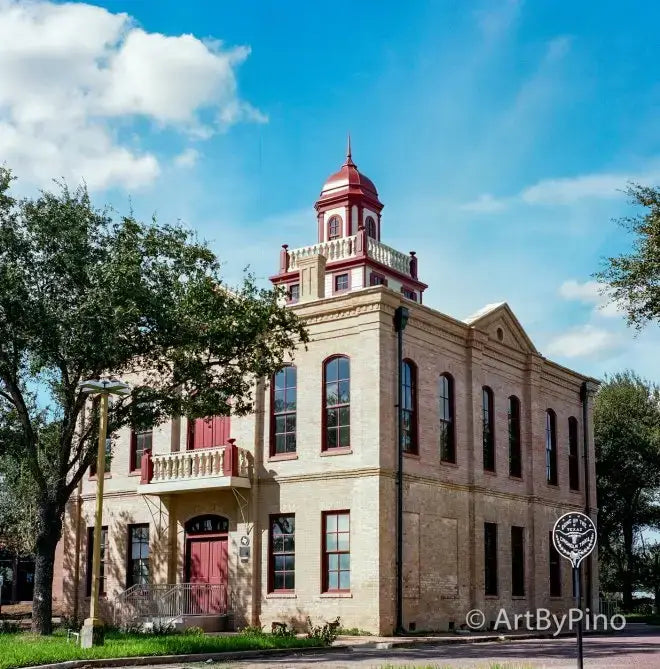
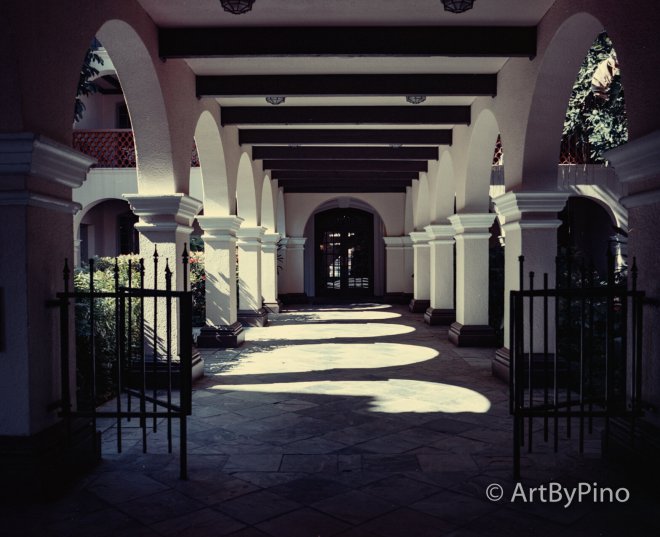
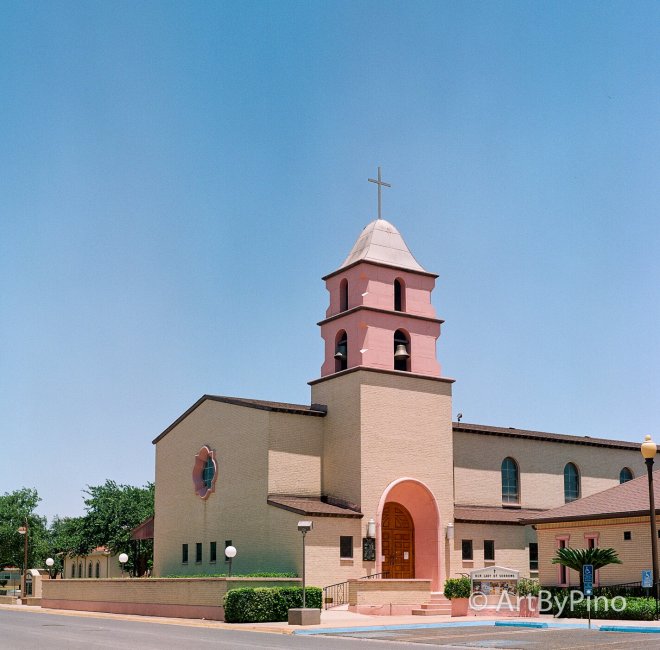
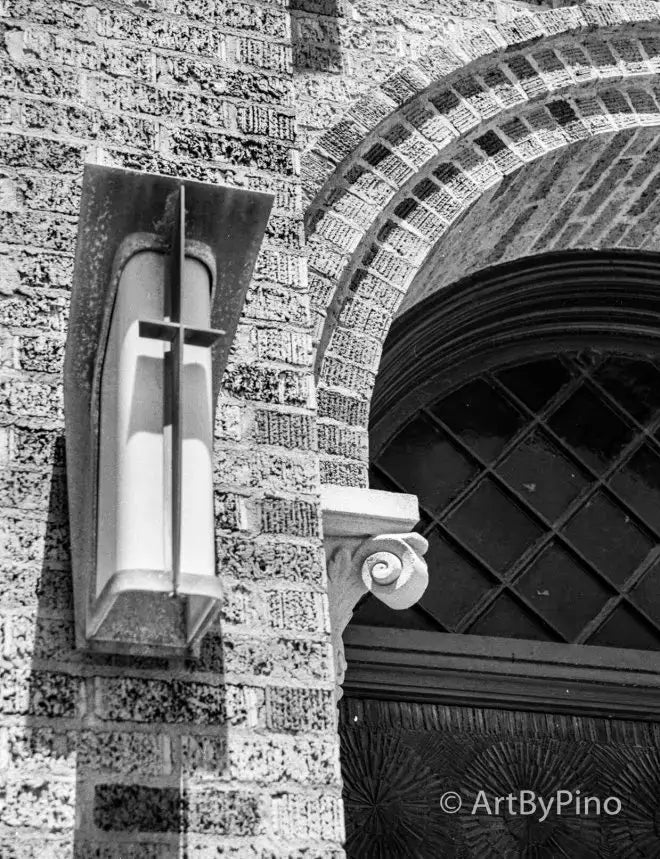
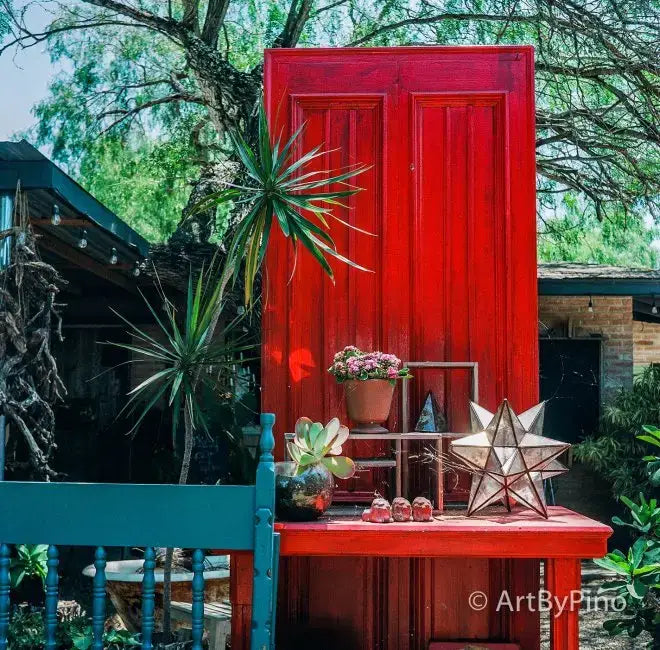
12 motivos pelos quais a fotografia analógica está voltando à moda.
1. Autenticidade e Credibilidade
2. Qualidade de imagem superior
3. Apelo estético incomparável
4. Terapêutico e Consciente
5. Impressões feitas à mão
O processo manual adiciona um toque pessoal que as impressões digitais raramente conseguem alcançar.
6. Mais simples do que nunca
Kits modernos, como os da Arista e da CineStill , facilitam a revelação em casa, com tutoriais online que reduzem significativamente a curva de aprendizado.
7. Longevidade e custo-benefício
8. Exclusividade para Momentos Especiais
9. Autêntico Portraits
10. Nostalgia e vibrações vintage
11. Comunidades online prósperas
12. Escape da Fadiga Digital
Respondendo aos céticos: Será que o cinema realmente vale a pena?
Alguns argumentam que o filme é muito caro ou prejudicial ao meio ambiente devido aos produtos químicos utilizados. No entanto, os custos são administráveis — US$ 10 a US$ 15 por rolo, mais a revelação — e competitivos com a atualização de equipamentos digitais. Kits caseiros também ajudam a reduzir as despesas . Do ponto de vista ambiental, câmeras reutilizáveis reduzem o lixo eletrônico (usuários de filme geram 50% menos lixo eletrônico do que fotógrafos que usam apenas câmeras digitais). A vantagem? Qualidade artística e durabilidade incomparáveis, que o digital não consegue replicar.
Fluxos de trabalho híbridos: o melhor dos dois mundos
Combine a magia do filme com a facilidade do digital:
Digitalize negativos: digitalize para editar e compartilhar.
Preserve para sempre: combine o charme analógico com backups digitais.
Dicas de compra: Comece com inteligência
Escolha equipamentos confiáveis: Compre câmeras revisadas de fontes confiáveis como eBay, Etsy ou varejistas como a KEH Camera. Evite achados em vendas de garagem sem garantia de qualidade — os reparos podem custar mais de US$ 200 .
Aproveite: Explore novos filmes como Harman Phoenix 200 ou clássicos como Kodak Portra.
Junte-se ao renascimento do cinema!
Pronto para fotografar com analógico? Navegue pela nossa coleção. seleção de filmes ou Kits de desenvolvimento . Precisa de ajuda? Entre em contato conosco para obter aconselhamento personalizado. Inscreva-se em nossa newsletter para receber dicas e inspirações semanais sobre filmes!
19 comentários
Great article. I am a film and digital photographer. Nothing better than film.
I have been looking into 35mm film n I’m glad I saw this article. I have 2 Minolta cameras 100 n 101 with many lenses. Will get them out of storage n use again. Thank you for the great information.
I must agree with every point. While I do shoot probably 50/50 digital/film I find shooting film more satisfying. I develop bw at home and will soon get set up for color. At some point I hope to be able to make my own prints in a home darkroom. I especially agree on the authenticity point. I recently used sky replacement on a photo. It came out stunning but it looked like so many others I’ve seen. Oddly it sort of left a bad aftertaste. Going out at the right time of day and trying to achieve the desired look on film with lens filters would have been more fun and unique.
THANK YOU! wonderful writing, insight, trajectory…Film is Gorgeous. If ever interested in taking a tour of a Film Lab in Burbank CA. please, reach out.
Cheers!
Starting in the 1960s and continuing into the mid 1990s, I shot b&w (and Kodacrome), all 35mm. I developed and printed b&w photos, and have good memories of enlarging and printing in the makeshift darkroom we set up in the kitchen.
For most who shoot b&w, the development and printing should be left to professional labs. Every step is complicated, starting with the temperature of chemicals used for film development, the number of rolls of film that have been developed (the chemicals degrade) and the timing of the development. Prints are just as complicated, if not more so. So, if you are tempted to try it, get ready for a high learning curve.
I still have three film cameras and pages of negatives I have stored in sleeves in a cool place, as you suggest. The negatives are in as good condition now as they were sixty years ago.
I have been taking film pictures longtime ago until now. However, in the last 2 years, the price of film: 35, 120…black and white as well as color ones are increasing a lot day by day. I really don’t know if the price of film becomes too expensive, then people have to give up film photography. What we are going to do now ???
An interesting article. Please may I introduce you to my Unique Projection Photography. I believe your readers will be intrigued by what I was doing in the early 1960’s whilst using Kodachrome.
Projection Photography the Best Way of ‘Painting With Light’ by John Neville Cohen
My own invented technique was a unique form of ‘Painting with Light’ where the projected images were blended and manipulated with crystals, reflections, textures, and coloured filters.
The images were not always projected onto a screen, and the chosen screen often became the subject of the picture; for example, I have photographed projected images; on a feather, a flower, a shell, a leaf, a butterfly wing, and even on to the edges of the pages of a book. Images can be blended too, by using more than one projector.
See ‘Projection Photography Special Effects – The Magic Lantern’ at my website jncohen – net/Projection-Photography/, which explains exactly how my award-winning photographs were created without computers, or any darkroom chemistry!
My most famous picture was ‘Spirit of Spring’ – this was the first ever picture taken on Kodachrome, that included both a negative of a tulip, and a positive image of a girl’s portrait, all on the same emulsion!
“…regarded as one of Britain’s most original photographers.” The Times.
“A woman’s face was exquisitely metamorphosed with the cup of a yellow tulip – a Femme – Fleur Picasso might have perpetrated had he taken to photography.” Arts Revue.
I have been seriously considering selling
my Leica M3. after reading this changed my mind! Thanks!
I enjoyed your article, I see the evolution of imprint medium natural with the progression of technology, film is to painting as is digital is to film. my name is Dwayne. I also enjoy film photography, my first cameras were a Pentax K-1000(35mm) and a Yashica twin lens reflex(120). I shot mostly black and white film speed between 200 to 400. my preferred subjects were abandoned industrial machines and buildings. I now shoot mostly digital (RAW) thank for allowing us to share.